
Pre-own Patient Vital Signs Monitors
Buying a used Vitals Signs Monitor from a reputable medical equipment dealer offers substantial savings over buying new. We carry a large selection of patient monitors in every price range. Monitoring options include, non invasive blood pressure (NIBP), invasive blood pressure (IBP), pulse oximetry (SpO2) among others. Be sure you check our selection and feel free to call us with any questions.




Pre-own Patient Vital Signs Monitors Questions & Answers
A vital signs monitor measures the 4-6 critical signs that indicate that a body is sustaining life. These vital signs can assist in a diagnosis, assess overall health of a patient, and indicate if a patient’s condition is recovering or worsening. Normal vital sign ranges can vary by age, gender, weight, and overall health.
The four primary vital signs are body temperature, blood pressure, pulse or heart rate, and respiratory rate. There can also be a fifth vital sign, such as pain, or sixth vital sign, a more informal category, depending on the setting where the patient is being treated. Vital signs are normally checked when the patient is seated and relaxed (except in an emergency situation).
Vital signs monitors can range from hundreds to thousands of dollars, depending on if the monitor is new or used and the range of functionality and size. If budget is a strong consideration in the purchase, it’s wise to consider a used alternative.
Most vital signs monitors do store and record thousands of pieces of data and information. In addition, many are able to transmit data for readouts on printers and interface with Electronic Medical Records (EMR). Prices vary depending on the functionality and memory space of the vital signs monitor.
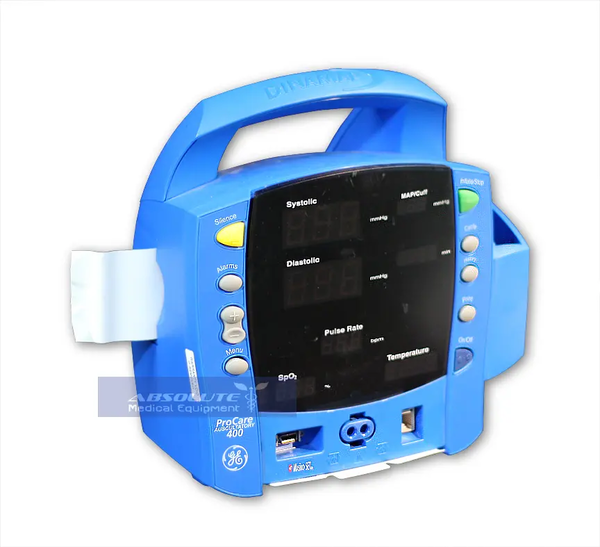
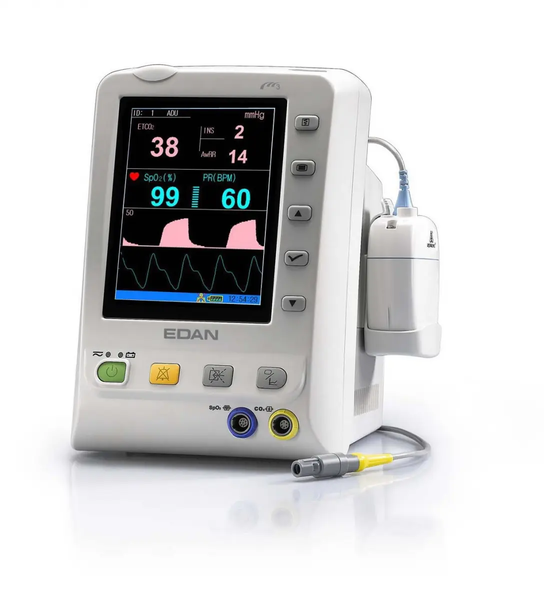
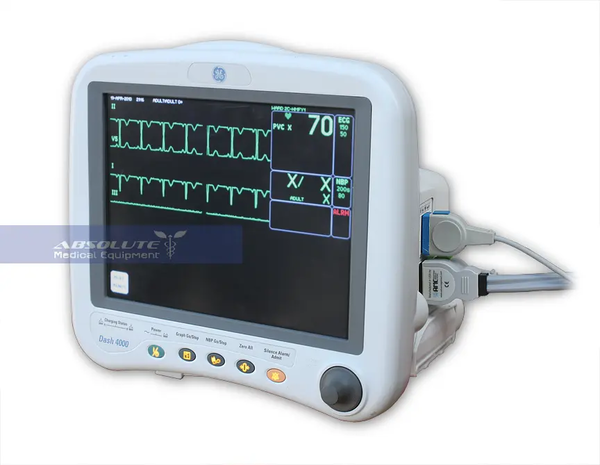
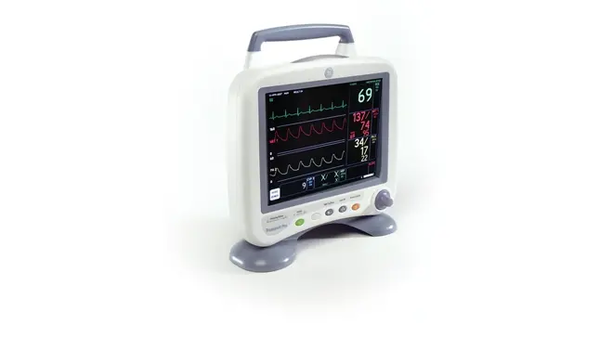
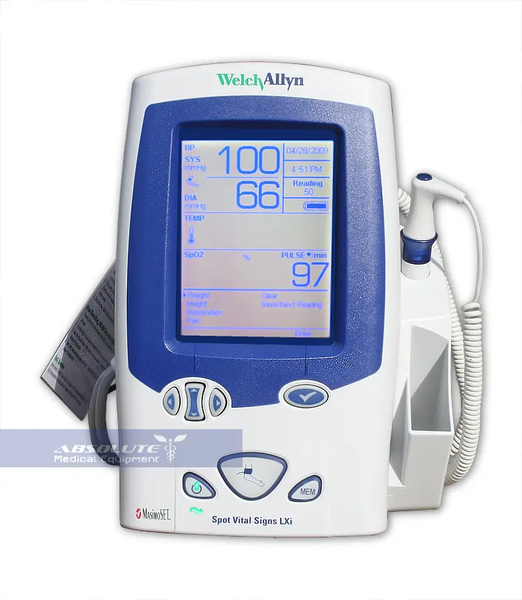
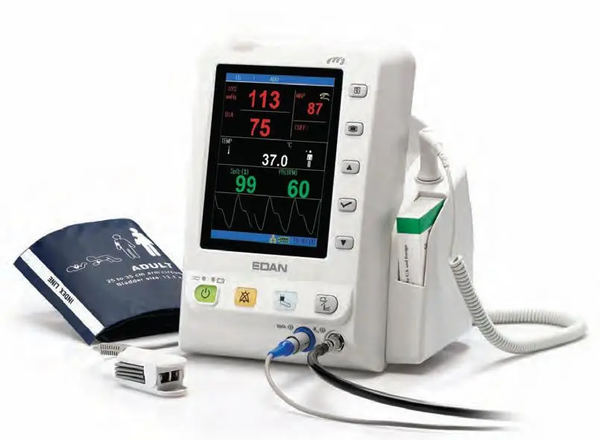
There are very portable vital signs monitors that often have touch screens and a handle for carrying, plus a battery for backup power. Data from this sort of compact and convenient monitor can be printed out on a wireless printer. In addition to the four basic vitals signs, some can also detect heart arrhythmias.
There are hand-held monitors that are extremely convenient and compact for use by emergency personnel. They usually monitor breathing and pulse in emergency patients. (Note: Hand-held monitors may need to be calibrated before first-time use.)
Wide Body Area Network (WBAN) is a sensor system for in-hospital triage. In a hectic hospital environment—with many competing electronic transmissions, possible failures of transmissions, and frequent patient movement—WBAN is a way to prioritize patients based on vital signs. These sensors may be implanted in or mounted externally on the body. Smart devices can act as data hubs to manage vital sign information. A WBAN system can allow wearable devices to send data to medical personnel via the Internet, away from the patient location via a wireless personal area network (WPAN).